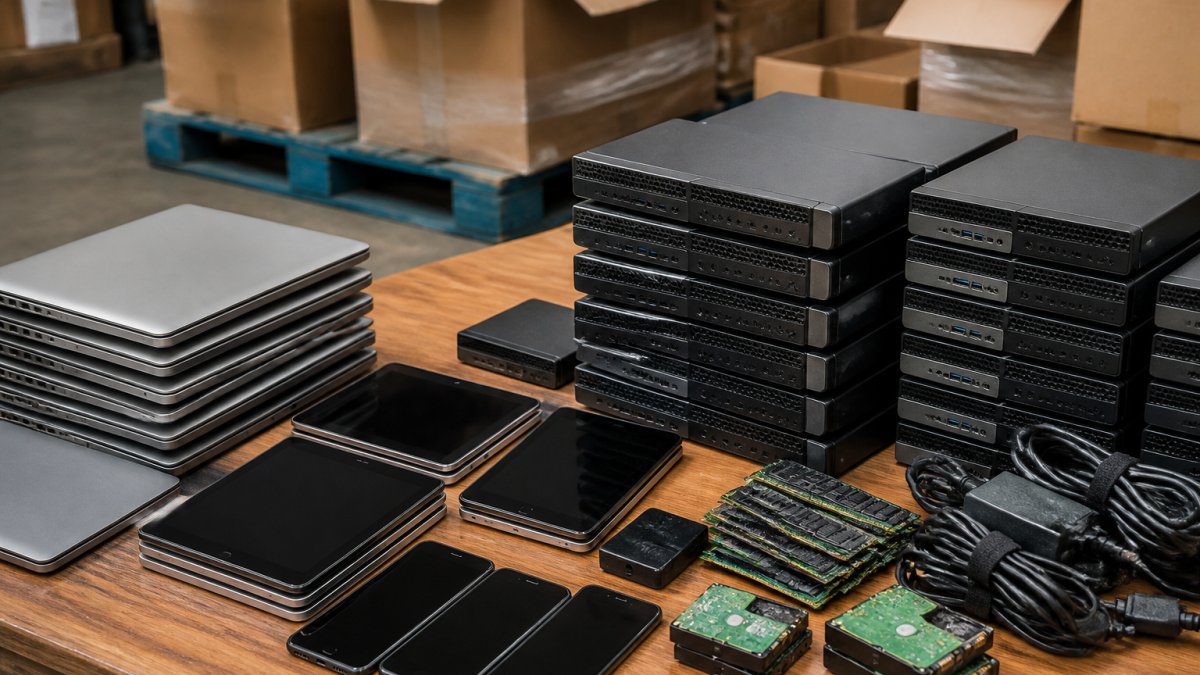
 blog
blog
Best Government Surplus Auction Sites for Tech in 2026
Table of Contents
- How the Best Government Surplus Auction Sites Compare
- GSA Auctions: Federal Surplus Property for Public Bidders
- State Surplus Auctions: Local Listings, Local Pickup
- Government Surplus Electronics: Laptops, Desktops, and Mobile Devices
- Buyer Fees, Deposits, Taxes, and Payment Deadlines
- Government Auction Bidding Tips for First-Time Buyers
- Inspection, Condition Grades, and As-Is Risks
- Pickup, Shipping, and Property Removal Logistics
- Frequently Asked Questions
Last Updated: October 16, 2026
How the Best Government Surplus Auction Sites Compare
The best government surplus auction sites fall into three categories: federal platforms, state and local government auctions, and independent marketplaces that resell surplus property. Each carries different inventory, buyer rules, and pickup logistics.
The stakes are higher than most buyers realize. That process is governed by federal property disposal rules, which is why the GSA's official guide to federal surplus property disposal matters if you want to understand where inventory originates.
Below, we compare the major platform types, the fees and deadlines to expect, and how to bid without overpaying, covering the evaluation angles first-time buyers most often overlook.
Quick Comparison: Platform Types, Inventory, and Buyer Fit
| Platform Type | Typical Inventory | Buyer Fit | Pickup Reality |
|---|---|---|---|
| Federal surplus auctions | Vehicles, heavy equipment, office tech | Experienced bidders | Regional pickup sites |
| State surplus auctions | Furniture, electronics, fleet vehicles | Local buyers | In-state warehouse pickup |
| Independent marketplaces | Mixed lots, electronics, collectibles | All experience levels | Varies by seller |
What Separates a Good Surplus Auction Site From a Bad One
A good surplus auction site publishes clear rules, bidder eligibility requirements, and payment instructions before you register. A bad one buries its buyer fees and offers vague condition descriptions.
The platform's fee structure matters more than the headline bid price: a buyer's premium on every winning bid can turn a cheap-looking lot into an expensive one. Look for these signals:
- Transparent buyer fees listed before bidding opens
- Clear auction schedule and closing times
- Documented inspection windows
GSA Auctions: Federal Surplus Property for Public Bidders
GSA Auctions is the federal government's own platform for selling surplus property directly to the public, listing everything from vehicles and boats to heavy equipment, office furniture, and government surplus electronics. Any eligible public bidder can register and bid.
The federal surplus program operates under strict disposal rules, so listings include condition reports and inspection details smaller sites often lack.
What GSA Auctions Actually Charges
GSA does not charge a traditional buyer's premium, but the winning bid is not your final cost. Expect to pay:
- The winning bid amount
- Applicable sales tax, based on the item's location and your tax status
- A registration deposit for certain high-value sales, refundable if you are not the winning bidder
Payment is typically due within a short window after the auction closes, measured in business days, not weeks. Miss it and the sale can be canceled and your deposit forfeited.
Eligibility and Restrictions by Asset Type
Federal surplus is more complicated than most guides admit: not every asset is open to every bidder.
| Asset Type | Who Can Bid | Notes |
|---|---|---|
| General surplus (furniture, office tech, vehicles) | Any registered public bidder | Open to the public |
| Certain vehicles and heavy equipment | Any registered public bidder | Inspection strongly recommended |
| Aircraft, vessels, and specialized equipment | Any registered public bidder | Removal logistics are the real barrier |
| Federal personal property offered to state agencies first | State and local agencies, then public | Public access depends on whether the state passes |
Property is often offered to state and local agencies through the federal surplus property program before it reaches public sale. If a state agency claims an item, it never appears publicly, which is why the same asset category can be plentiful one month and absent the next.
How to Work the Federal Auction Cycle
For buyers chasing specific assets, saved searches beat checking manually, since federal inventory moves quickly once a wave opens. A practical routine:
- Register early, approval can take a day or more, and you cannot bid until it clears.
- Set saved searches by category and region so new waves surface automatically.
- Confirm the inspection window before bidding; federal lots are sold as-is.
- Line up transport before the auction closes, not after you win.
For federal-grade inventory without the wave-based schedule, independent marketplaces that resell surplus property fill the gaps between federal sales.
State Surplus Auctions: Local Listings, Local Pickup
State surplus auctions are run by individual state agencies and sell property declared excess by state and local government and educational entities. Inventory skews toward office furniture, fleet vehicles, and surplus equipment, with electronics appearing in cycles.
The advantage is proximity: regional auctions mean pickup is usually a short drive, not a cross-country shipment. The disadvantage is inconsistency, each state runs its own schedule, bidder instructions, and payment deadline.
How State Programs Differ From Federal Ones
The single biggest difference is eligibility. Federal surplus is generally open to any registered public bidder, but state programs frequently layer on their own restrictions:
- Residency requirements. Some states limit certain sales to in-state residents or in-state businesses.
- Agency-first windows. Property is often offered to state agencies, then local governments, then schools, and only then to the public.
- Tax-exempt buyer categories. Nonprofits, schools, and municipalities may bid without paying sales tax, while general public bidders pay it.
Because rules vary by state, the same asset type can be freely biddable in one state and restricted in another. Before registering for any state sale, read that sale's specific terms, not the general site FAQ.
What State Auctions Typically Cost
State surplus sales usually add fewer fees than commercial marketplaces, but the total cost still includes more than the bid:
| Cost Component | Typical Treatment |
|---|---|
| Buyer's premium | Often none, or a small flat fee |
| Sales tax | Applied based on item location and buyer status |
| Registration deposit | Sometimes required for vehicle or high-value sales |
| Removal and transport | Always the buyer's responsibility |
State payment deadlines are often shorter than buyers expect, frequently just a few business days after the sale closes. Removal windows are similarly tight, and items left past the deadline can be forfeited without refund.
How to Compare State Auctions Without Wasting Time
Because every state runs its own system, the practical move is to narrow by what you actually need:
- Decide whether you need local pickup or can arrange transport.
- Check the state's eligibility rules for your buyer category before registering.
- Confirm the payment and removal windows for the specific sale.
- Attend the inspection window when one is offered, state lots are sold as-is.
If you're sourcing locally, start with state-by-state auctions, but read each sale's specific terms before registering, since removal windows vary and eligibility rules can disqualify you entirely.
Government Surplus Electronics: Laptops, Desktops, and Mobile Devices
Government surplus electronics are among the highest-demand categories on any surplus auction site, and the one where condition grading matters most. Agencies retire laptops, desktops, monitors, and mobile devices in bulk, often selling by the pallet or lot.
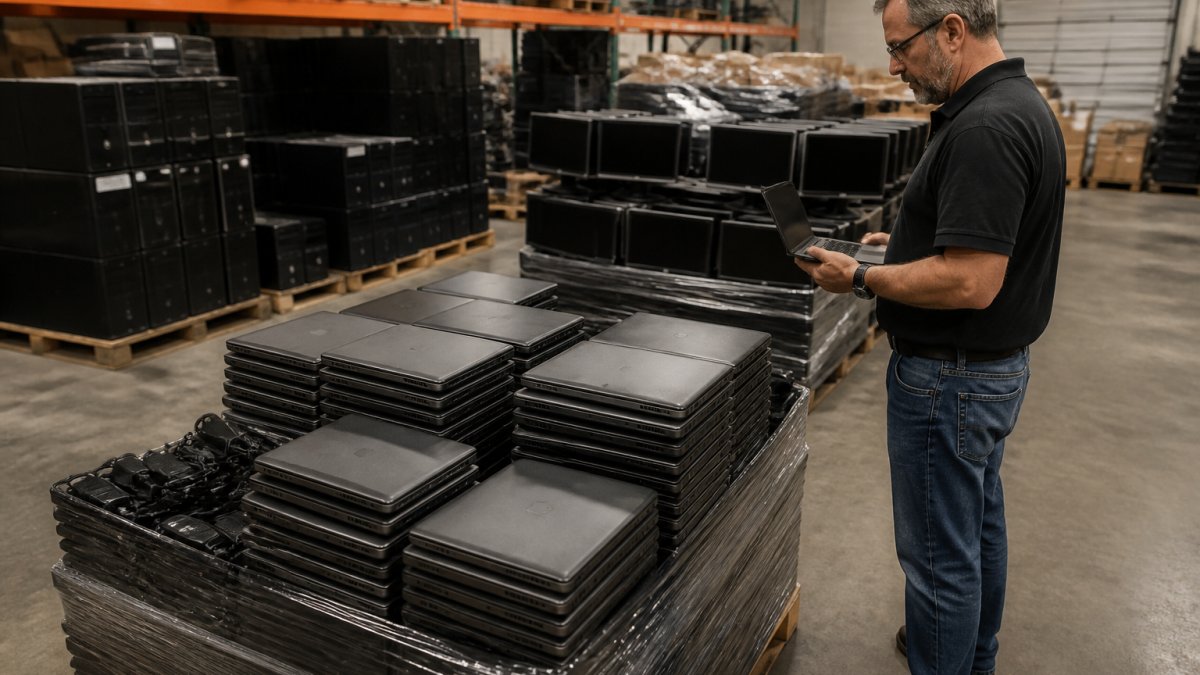
Surplus electronics arrive in wildly different states: some lots are tested and functional, others sold strictly for parts. The listing description is your only guide, so read it line by line.
At KVSAuctions.com, we focus on exactly this category. Our parent company, KVS Computers, is certified for electronics recycling.
For students and budget-conscious buyers, the practical move is to compare the total landed cost, not the opening bid.
Buyer Fees, Deposits, Taxes, and Payment Deadlines
Buyer fees, deposits, and taxes are where surplus auction budgets quietly break. A winning bid is not the final price.
Most government auction platforms add a buyer's premium, sales tax, and sometimes a deposit for high-value sales. Payment deadlines are usually just a few business days after the auction closes; miss one and you can lose the item and any deposit.
- Buyer's premium: a percentage or flat fee added to your winning bid
- Sales tax: applied based on the item's location and your tax status
- Deposit: sometimes required before you can bid on certain asset types
Government Auction Bidding Tips for First-Time Buyers
Government auction bidding rewards patience over enthusiasm. The most common mistake is bidding early and often, which drives the price up before the final minutes.
A better approach:
- Watch a few auctions in your category before bidding on anything
- Set a maximum price that includes fees, tax, and pickup costs
- Wait until the closing window to place your bid
- Confirm the inspection window and attend it when possible
- Verify the payment deadline before you commit
First-time buyers should also confirm bidder eligibility. Some auctions restrict certain asset types, and some require registration approval that takes a day or more. Register early so you're not locked out when a lot you want goes live.
Inspection, Condition Grades, and As-Is Risks
Almost every government surplus item sells as-is: the condition you see is the condition you get. Condition grades are the seller's shorthand, not a warranty.
A "used" grade can mean anything from lightly handled to barely functional, and photos may show a representative unit rather than the exact item.
Our advice: treat condition grades as a starting point, not a promise.
Pickup, Shipping, and Property Removal Logistics
Property removal turns a good deal into a headache if you haven't planned for it. Most government surplus auctions require the buyer to arrange and pay for pickup within a set window, and items left past the deadline can be forfeited.
Plan the logistics before you bid, not after:
- Confirm the pickup location and its hours
- Check whether the site allows third-party shippers
- Bring help and equipment for heavy items
Shipping is rarely offered on large surplus assets like vehicles, boats, heavy equipment, or machinery. For smaller electronics, some marketplaces allow shipping, but the cost often rivals the item's price.
Government surplus auctions can outfit a student, a startup, or a hobbyist for far less than retail, but only if you understand the fees, deadlines, and as-is reality before you bid. At KVSAuctions.com, we make that easier by specializing in government surplus electronics, offering auction, fixed-price, and classified listings, and backing our operation with an R2V3-certified electronics recycling parent company. Register with KVSAuctions.com and start bidding on surplus tech with clear listings and straightforward terms.
Frequently Asked Questions
Is GSA Auctions a legitimate site?
Yes. GSA Auctions is the federal government's official platform for selling surplus property, run by the General Services Administration. Public bidders can register, view auction listings, and place a bid on items ranging from vehicles and heavy equipment to government surplus electronics. Because it is a federal site, you can verify the auction schedule and bidder instructions directly on the platform. Still confirm the specific agency listing, payment deadline, and pickup terms before bidding, since each lot carries its own rules.
Are government surplus auction items sold as-is?
Most surplus property is sold as-is, and that applies to vehicles, machinery, and government surplus electronics alike. Condition grades and photos give you a starting point, but they do not guarantee working condition. Before you place a bid, read the item description, review any inspection notes, and factor in the cost of repairs or replacement parts. If a listing offers no inspection window, treat the item as untested and bid accordingly. Some platforms describe condition more clearly so buyers know what to expect.
What fees should I check before bidding on a government auction?
Look for the buyer's premium, any registration or deposit requirement, sales tax, and the payment deadline. Some surplus auction sites also charge a removal or storage fee if you do not collect the item on time. Add these to your maximum bid so you know your real total before you commit. Payment instructions usually appear on the auction listing, and missing the deadline can cost you the item or your deposit. When fees are unclear, contact the auction site directly before you register.
How fast can I get items after winning a government surplus auction?
Timing depends on the platform and the pickup terms for that lot. Federal and state surplus auctions often give you a set window, sometimes only a few business days, to pay and remove the property. Local pickup is common, especially for heavy equipment and real estate, while smaller electronics may be shippable. If you need equipment for a business quickly, check the removal deadline before bidding and confirm whether the site offers shipping. KVSAuctions.com lists auction, fixed-price, and classified items so buyers can choose a format that fits their timeline.